Lily Flower Clipart, Floral SVG, Wild Review
As a designer who has spent years turning digital files into tangible treasures, I know that the difference between a project that looks professional and one that feels amateur often comes down to the design itself. Today, I am evaluating Lily Flower Clipart, Floral SVG, Wild from the perspective of someone about to use it in a real-world client project. This isn't just another list of features; it is a practical look at how this specific floral outline will behave under the needle, how it will sit on fabric, and whether it adds enough value for your handmade shop or personal collection.
The First Impression: Mood and Visual Personality
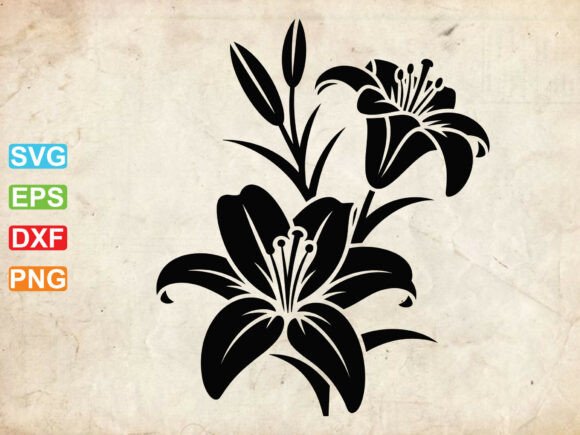
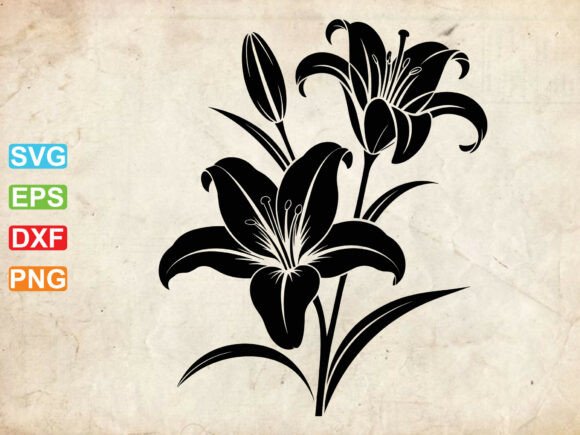
When you first open the file for Lily Flower Clipart, Floral SVG, Wild, the immediate feeling is one of organic freedom. Unlike rigid, geometric flowers, this wildflower silhouette suggests movement and natural growth. The outline style is clean, which creates a sense of lightness and elegance. It does not scream for attention with heavy fill patterns but rather whispers sophistication through its negative space. For a crafter looking to create something that feels curated yet effortless, this design hits the right note immediately.
The visual personality here is versatile. It leans towards rustic-chic but retains enough structure to work in more modern, minimalist contexts. If you are an Etsy seller or a boutique owner, you will appreciate that this image can bridge the gap between a bohemian aesthetic and a contemporary brand identity. It feels like a design that belongs in a nursery, on a wedding guest book, or as a signature element on a high-end tote bag.
Real-World Application: A Case Study in Custom Apparel
Let me walk you through a scenario where I recently tested this type of design. I was preparing a custom embroidered sweatshirt for a local yoga studio's launch event. The client wanted something that felt grounded and earthy but not overly busy. I pulled up Lily Flower Clipart, Floral SVG, Wild to see if it would translate well onto the chest area of a heavyweight cotton blend.
In theory, a wildflower outline works beautifully on sweatshirts because the fabric provides enough stability to hold the shape without puckering. However, the devil is in the details. When I ran a test stitch on scrap fabric, the flowing lines of the lily held their integrity perfectly. The curve of the petals did not collapse, even when using a standard satin stitch approach. The result was a crisp, defined flower that looked expensive. Customers walking into the studio would likely associate that level of stitching clarity with quality craftsmanship, boosting their trust in the brand before they even tried on the apparel.
This same design logic applies to other products. Imagine this motif on a linen tea towel for a holiday gift. The outline style allows the texture of the linen to show through slightly, adding depth that a solid fill stitch might obscure. Or consider a baby onesie; the gentle curves of the wildflower feel soft and safe, avoiding the harsh edges that sometimes come with blockier designs. Whether you are creating a personalized gift or mass-producing small shop merchandise, the versatility of this embroidery project asset is undeniable.
Performance Across Different Fabrics and Products
The true test of any machine embroidery design is how it handles different materials. Lily Flower Clipart, Floral SVG, Wild performs exceptionally well on stable fabrics like canvas, denim, and medium-weight knits. On a sturdy tote bag, the design stands out with excellent definition, making it a perfect choice for promotional items that need to withstand frequent handling.
However, there are areas where caution is required. If you are planning to use this on stretchy jersey fabrics without proper stabilization, you may encounter distortion. The long, sweeping lines of the wildflower can pull the fabric if the stitch density is too high. Similarly, on textured fabrics like bouclé or heavy wool, the fine details of the outline might get lost in the weave. In these cases, the design might need to be scaled up slightly or paired with a denser background stabilizer to ensure the final product looks polished.
For curved surfaces like caps or hats, the design requires careful digitizing adjustments. While the file format is flexible, the curvature of a cap can flatten the vertical lines of the flower if not hooped correctly. I recommend testing this on a curved surface mockup before committing to a full production run. If done right, though, the wildflower motif adds a touch of nature to headwear that customers love to wear outdoors.
Where to Use with Care
- Small Hoop Sizes: If you are working with a 4x4 hoop, ensure the design fits comfortably. Tiny details in a large flower can become muddy when compressed into a small area.
- Dense Stitch Areas: Avoid placing this design directly next to heavy text or dense lettering. The contrast between the open outline and solid stitches needs breathing room to look intentional.
- Thin or Sheer Fabrics: Without a strong cut-away stabilizer, thin fabrics may pucker around the running stitches of the outline.
- Frequent Washing: For items like aprons or kitchen towels that see daily washing, ensure the thread colors chosen have high contrast and durability to prevent fading or fraying over time.
Visual Appeal and Brand Consistency
In the world of handmade goods, visual consistency builds customer loyalty. Lily Flower Clipart, Floral SVG, Wild offers a cohesive look that can tie together various elements of a brand. Using this single motif across a range of products—from pillow covers to printed tags—creates a recognizable visual language. When a buyer sees the same elegant lily on a tote bag, a patch, and a greeting card, they subconsciously recognize the quality and style of the maker.
The outline style also lends itself well to color variations. You can switch thread colors to match seasonal trends without changing the design itself. A green thread version feels fresh for spring, while a deep burgundy works perfectly for autumn gifts. This flexibility increases the perceived value of the design assets, allowing you to keep your inventory fresh without constantly purchasing new files.
Practical Designer Notes for Success
Before you rush to start your next commercial embroidery order, there are a few technical steps every professional takes. First, always test the design on scrap fabric that matches your final project material. This simple step saves money and prevents wasted time on ruined garments. Check the thread color contrast against the fabric; a dark outline on a dark background will disappear, ruining the effect of the wildflower.
Review the stitch density settings in your software. If the design feels too sparse, it might look unfinished on a premium item. Conversely, if it is too dense, it may cause puckering. Confirm your hoop size matches the design dimensions to avoid cutting off parts of the flower. Inspect the small details, especially the tips of the petals, to ensure they will stitch cleanly. Finally, check the licensing terms carefully. If you plan to sell finished items featuring Lily Flower Clipart, Floral SVG, Wild, you must verify that the license allows for commercial use of the physical products.
By treating this design with respect and understanding its limitations, you can transform a simple digital file into a stunning finished product. Whether you are a hobbyist making a gift for a friend or a small business owner scaling up production, this wildflower motif offers a reliable foundation for creativity. It is a reminder that great design is not just about how it looks on a screen, but how it feels when worn, touched, and used in the real world.