Floral SVG Hibiscus: A Designer's Review for Real Embroidery
When I first opened the folder labeled Floral SVG Hibiscus, I didn't just see a graphic; I saw potential. As someone who spends their days evaluating digital assets for real-world production, my initial reaction is rarely about the file name. It is about the mood the design sets and how it translates from a screen to a needle. This embroidery file immediately evokes a sense of tropical warmth and relaxed elegance. The hibiscus flower is a classic motif in Crafts and Graphics, but its success depends entirely on execution. Does this design capture the delicate nature of the bloom, or does it feel too blocky for high-end stitching? My review focuses on what happens when you actually load this into your machine.
First Impressions: Mood and Visual Personality
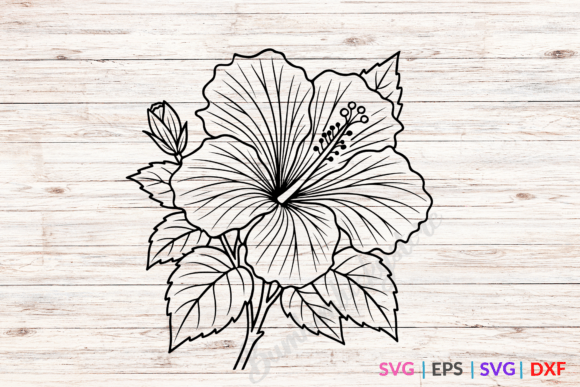
The Floral SVG Hibiscus design strikes a balance between bold statement and intricate detail. In the world of custom apparel, the difference between a generic clip-art look and a professional finish often comes down to line weight and flow. This design feels organic. The curves of the petals suggest movement, which is crucial when converting vector lines into thread. For an embroidery project, the visual personality here leans towards boutique chic. It is not a stiff, corporate logo; it is a piece of art that invites touch.
I imagine this design sitting perfectly on a linen tote bag or adorning a soft baby onesie. The shape allows for a natural progression of stitch types. You can visualize the center of the flower using a tight satin stitch to create texture, while the outer petals might benefit from a softer fill stitch or even a running stitch outline to mimic the vein structure of a real leaf. The layout suggests versatility, making it suitable for both commercial embroidery and personal gifts. It has a visual weight that commands attention without overwhelming the garment it rests upon.
Real-World Application: From Screen to Stitch
To truly judge any machine embroidery design, we must simulate a real-life scenario. Let's say I am preparing for a holiday craft fair. I need to create a limited run of embroidered aprons for a local coffee shop brand. The client wants something unique that screams "handmade" but remains durable enough for daily use. I pull up Floral SVG Hibiscus as the centerpiece.
Here is where the practical judgment comes in. On a dark fabric, the contrast provided by this design would be striking. However, if I were placing it on a small hoop size, like a 4x4 inch frame, I would need to be careful. The hibiscus has flowing elements that could get lost if the digitization isn't optimized for tight spaces. If this design includes a stitch density that is too high for thin cotton, it might pucker the fabric, ruining the finished product. But assuming the file is balanced, this embroidery design elevates a standard kitchen towel into a premium gift item.
Consider the custom apparel angle. Imagine a sweatshirt with this design centered on the chest. The floral theme fits the casual comfort of the garment perfectly. It adds a pop of color that customers love in Etsy listings and online shops. When photographing the mockups, the depth created by the threads will catch the light differently than a printed transfer, adding value to the handmade product. For a small business owner, this is the kind of asset that builds trust; clients can see the quality in the details before they even buy.
Navigating Challenges: Where Caution is Key
Not every surface is a canvas for the Floral SVG Hibiscus. There are specific situations where this design requires extra scrutiny. Textured fabrics, such as heavy waffle-knit towels or boucle upholstery, can hide the fine lines of the hibiscus petals. If the fabric texture is too aggressive, the embroidery file might look muddy rather than crisp.
Stretchy fabrics present another hurdle. If you attempt to embroider this on a thin, stretchy jersey t-shirt without proper stabilizer, the tension of the stitches could cause the fabric to warp. The result might be a distorted flower that looks nothing like the original design assets. Similarly, curved surfaces like caps require a specific hoop setup. While the floral shape is generally adaptable, sharp corners in the design can sometimes snag or bunch up on the curve of a hat brim. I always recommend testing the hoop size and curvature compatibility before committing to a bulk order.
Dense stitch areas are also worth noting. If the design relies heavily on fill stitches to show off the petal layers, it might become too stiff for a wearable item like a baby blanket. Softness is often a priority for infant products, so knowing whether this design uses excessive density is vital. If the file format (SVG, PNG, DXF, EPS) implies a vector path that was converted poorly, those dense areas could lead to thread breaks or skipped stitches during production.
Impact on Brand and Customer Perception
In the competitive world of craft business and small shop products, presentation is everything. A well-executed Floral SVG Hibiscus design signals professionalism. It tells the customer that you care about the integrity of the image. When a buyer receives a personalized gift with clean, precise stitching, their confidence in your brand skyrockets. Conversely, a sloppy execution can undermine even the best materials.
This design has strong recognition potential. The hibiscus is universally associated with beauty and summer vibes, making it a safe yet stylish choice for various occasions, from weddings to beach parties. By using a high-quality digital embroidery file, you ensure that your printable mockup accurately represents the final item, reducing returns and increasing customer satisfaction. The design acts as a visual anchor for your brand consistency across different products, whether it is a tote bag, a pillow cover, or a decorative patch.
Practical Designer Notes for Execution
Before you hit the "start" button on your machine, there are essential steps to take. First, always test the Floral SVG Hibiscus on scrap fabric. This simple step reveals issues with thread colors, stabilizer selection, and tension settings that you cannot see on a computer screen. Check the stitch density visually; if the design looks too crowded, consider adjusting the settings or choosing a lighter fabric.
Review the file formats included. With options like SVG, PNG, DXF, and EPS, you have flexibility for different software needs. Ensure that the EPS file works smoothly in Adobe Illustrator or Inkscape if you plan to resize or modify the design for a specific embroidery project. Inspect the small details closely. Sometimes, tiny lines in a vector file disappear when converted to stitches, leaving gaps in the petals. Test the design in black and white mockups to ensure the composition holds up regardless of color choices.
Finally, confirm your licensing terms. If you intend to sell finished items featuring this embroidery design, you must verify that the license allows for commercial use. Do not assume that a graphics purchase grants unlimited rights for merchandise. Use proper stabilizer for the fabric type, check whether the design works for both personal and commercial projects, and always compare light and dark fabric backgrounds to ensure the thread contrast is sufficient.
By approaching the Floral SVG Hibiscus with this level of scrutiny, you transform a simple digital download into a cornerstone of your creative output. Whether you are an experienced designer or a hobbyist maker, understanding the nuances of how this design behaves in the real world is the key to creating exceptional handmade products.